

Plain Language and Health Literacy Blog
Language Access in Healthcare Translations
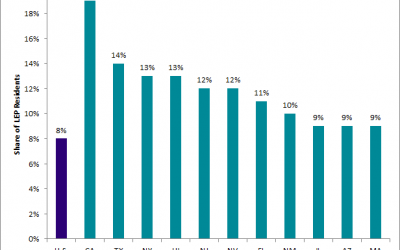
Language Access in Healthcare settings still seem to be in its infancy. With the ACA in full play, healthcare organizations should try to stay ahead of the evolving Language Access law by providing meaningful access to healthcare information in other languages. This does not only include language interpreting assistance, but also investing in translation of written materials and digital content.

Health Disparities and the need for culturally and linguistically appropriate services
Addressing health disparities in healthcare translation. Cultural and linguistic competency affects trust, rapport, communication, and adherence.

Remember the literal in Literacy!
It’s important to remember that writing in Plain Language means you eliminate any assumptions that you want the reader to make.
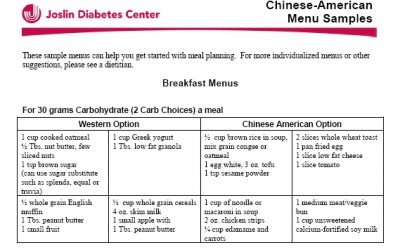
Don’t just translate your healthcare communications, localize them for the target audience!
In customizing your content for the intended reader, you have to consider their literacy level, their age, their gender, their culture and their language. This post will focus on localizing that information for the reader from another country.
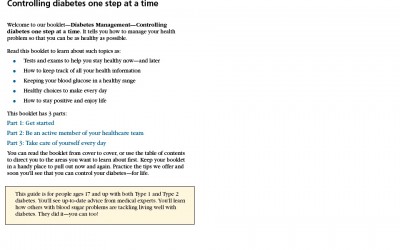
The importance of the introduction in the plain language writing approach
The initial introduction of any document can be so very important. The reader’s first perception on the task is influenced by the way that the topic is introduced and presented.

Healthcare Engagement
Healthcare engagement is a hot topic in the healthcare industry. Healthcare communications become more personal and topics in healthcare marketing are more focused to specific needs of members. We’ve looked at our services and defined how these services can can connect stakeholders in healthcare to achieve better health outcomes.

Implementing Plain Language: Overcoming Attachments
Push-back on terminology can inhibit Plain Language and Health Literacy efforts. This post describes 4 language attachments that affect Plain Language.