
Whether you work directly with patients, create educational and marketing materials, or facilitate insurance coverage, you may be able to offer multilingual healthcare support in more ways than you think. In a clinical setting, translating documents such as pre- and post-operative information and instructions can be an invaluable part of a patient’s healthcare journey. For pharmaceutical companies, translating medication inserts, patient testimonials, and other marketing materials can grow your audience and encourage more patients to ask their healthcare provider about your medicines. And if you’re an employer or health plan administrator, translating your health plan information and offering over-the-phone interpreting can help employees take advantage of their health benefits and avoid costly misunderstandings about coverage.
Multilingual healthcare support in clinical settings
In-person interpreters tend to be the more visible aspect of multilingual healthcare support in a clinical setting. So, we won’t explore that theme any further here (though if you’re interested, you can read our other blog posts about professional interpreters and why you should hire them). What many people may not consider is how over-the-phone interpreters can help with patient communication before or after an appointment. Over-the-phone interpreting (OPI) services can be helpful for scheduling, reminding patients of an upcoming appointment or procedure, or for following up with patients after their appointments. If you ask your patients to call with questions or concerns, whether about test results, medication side effects, or anything else, patients who don’t feel that they will be understood may choose not to follow up. This can result in poorer health outcomes and even possibly an emergency down the line. If you can offer the services of an over-the-phone interpreter and include a note to your patients that this is available to them, it may encourage them to be more engaged in their healthcare.
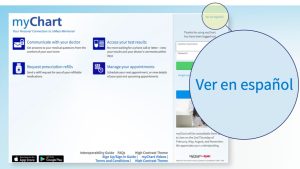 This brings us to how written translation can also be an important part of multilingual healthcare support in a clinical setting. If you do choose to offer your patients OPI services, sending them a written explanation of that service in their preferred language (whether by email or text message) could be an important first step. Most patients now have access to a digital record of their office visits, procedures, and test results. Translating these records could be another way to educate and inform your patients about their health and care. For patients who are undergoing medical procedures, providing translated pre- and post-operative instructions can encourage adherence and promote better long-term outcomes.
Multilingual healthcare support in pharmaceuticals
If you work on the pharmaceutical side of things, written translation may be the more obvious part of multilingual healthcare support. We’ve translated written materials for various ways that patients may learn about a particular drug. These include magazine ads, social media posts, TV commercials, patient brochures, healthcare provider discussion tools, and medication inserts. We encourage you to peruse the Healthcare Communications section of our blog to find more detailed articles about each of these.
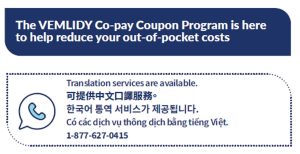 OPI can be another valuable pharmaceutical application of multilingual healthcare support. Many pharmaceutical companies offer programs to help patients understand their insurance coverage or get financial assistance to pay for their medications. Depending on the volume of calls received in certain languages, it may not be practical or sustainable to have (a) full-time bilingual customer service agent(s). If that’s the case, having access to an interpreter over the phone at a moment’s notice can allow English-speaking customer service agents to assist callers with limited English proficiency.
Multilingual healthcare support for health plan and insurance information
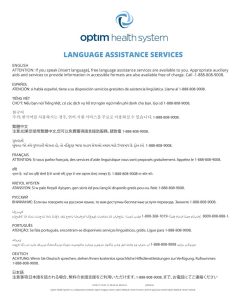 The same can be true if your role is to help employees understand their health insurance and other benefits. We’ve been translating open enrollment and other employee benefit information for years. An integral part of every benefits guide is a number to call in case employees want help understanding, selecting, and enrolling for benefits. Translating written benefits information is a great place to start. If employees call the numbers listed in those translated materials only to find that they cannot speak with someone in their preferred language, however, this can disrupt the enrollment process and lead to employee dissatisfaction.
If you’re planning an informational meeting or presentation about your employee benefits, including health plans and coverage options, both translation and interpretation can come into play. We’ve translated slide decks, benefits summaries, and videos for these presentations. And if there is no one available to give the presentation in a language other than English, consider bringing in an interpreter. When doing so, be sure to consider the various modes of interpreting, such as simultaneous and consecutive.
The possibilities for multilingual healthcare support are endless
OK, maybe not endless – but maybe more varied than you realized before! Besides document translation and oral interpreting, we also translate apps and websites in their native file formats and create subtitles or voiceovers for video content. Whether you’re looking to get started or expand your offerings for multilingual healthcare support, ask us about it!
