

About Advocating Global
A blog designed to support globally minded communication professionals with insight into the global communication strategies that lead to desired behavior and positive end-user outcomes. We write and invite experts to write in about global communication topics in healthcare, corporate communications and marketing, as well as best practices in localization and process management.
Our topics may vary, but our focus is always on the advocacy for the communications professional; to empower them with the tools and best practices to be a global leader and make a difference in the outcomes of the end-user.
Corporate Communications Blog
Global Corporate Communications include topics like Employee Benefit Communications, Public Relations, Change Management, Employee and Customer Satisfaction surveys, Employee Engagement, etc. Global Benefit Consultants have an edge in our industry by understanding the complex logistics of global communications. What we intend with this blog is to give professionals insights into translation and localization specific knowledge that can help them in achieving process efficiency and quality. Global Communications benefit from being proactive and knowledgeable about the risk factors in the translation industry and be a better advocate for the employees and managers that their clients want to engage with.
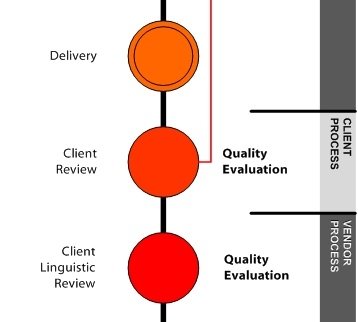
LSP Maturity: Quality Evaluation
For this LSP Maturity blog, we look at Translation Quality Evaluation. We will look at evaluation methods that are being used in our industry. How do high performing organizations define quality? What role does quality play in the translation process? Choosing...

The Changing Landscape of Subtitling Standards in Corporate Communications
The Technology Landscape around Video Subtitles Standards is changing. Services like YouTube, Netflix, Hulu and Amazon are leading the way in changing the expectations around subtitles by providing subtitles on a massive scale to millions of viewers every day, and they are becoming more efficient and better at it. We’ll look at how these expectations may influence subtitling in corporate videos.

A Study in Healthcare Terminology – Conclusion
Healthcare communications in the United States have been translated in a very decentralized way. Read the conclusion in our 4-part study on Spanish healthcare terminology and see our recommendations for moving forward.

A Study in Healthcare Terminology – Part 3
By bringing the different glossaries together into one overview, we get an idea of the consistency and quality of the information in Spanish that is being produced by these major healthcare organizations. Part 3 explores the variability of terminology.

A Study in Healthcare Terminology – Part 2
The Healthcare Industry by nature complicates the process of unification of Spanish terminology in healthcare translations. Part 2 of the research in Healthcare Terminology looks at how organizations are making their Spanish translations available, and we look at how productive these resources are.
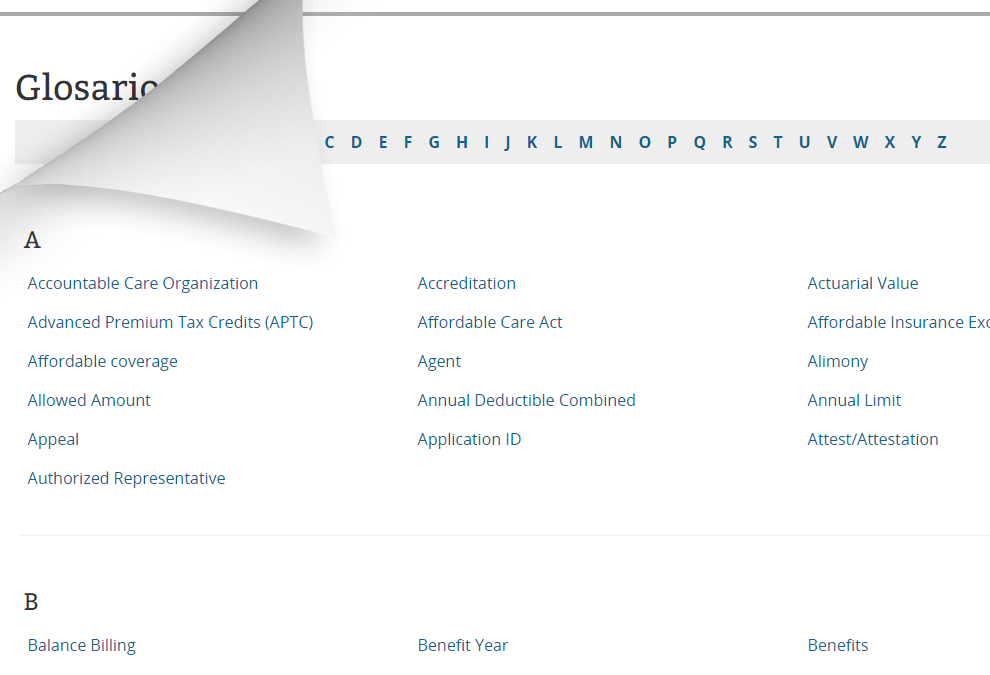
A Study in Healthcare Terminology – Part 1
In preparation of the new Open Enrollment season, we looked at the state of healthcare terminology for the Hispanic population in more detail. Part 1.

5 tips for Global Marketing Managers when translating brand messaging
Probably the most asked question when marketing approaches the translation stage is whether a name or image is culturally appropriate, or if it “translates well”.

LSP Maturity: Ideal Customer Profile
One aspect of a culture of excellence is to understand the customers you serve and know why they are a great fit.
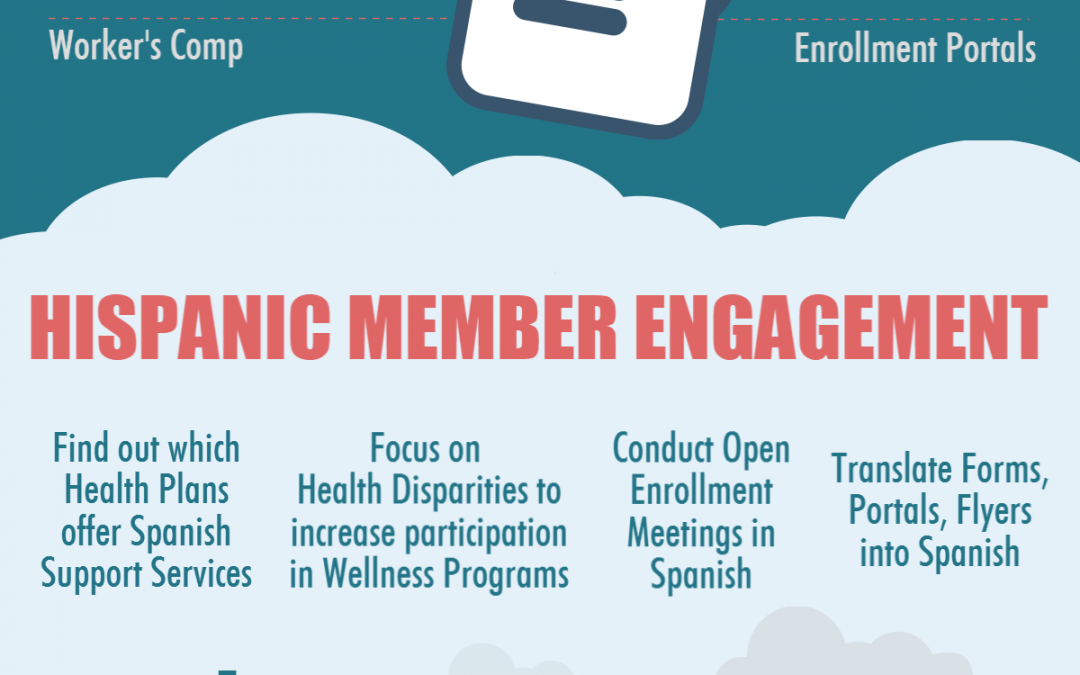
Infographic – 2017 Open Enrollment for Hispanics
Get ready for the the 2017 Open Enrollment Season and consider translating your materials for Hispanic Employees.

Translation of policies results in lower fines for FCPA violations
Violations of the Foreign Corrupt Practices Act (FCPA) can cost companies millions of dollars in fines. However, translation of your FCPA policies, such as your Anti-Bribery and Anti-Corruption Policy, as well as your Business Ethics policy, can result in much lower fines